Why Is There Frost on the Inside of My Windshield in 2026
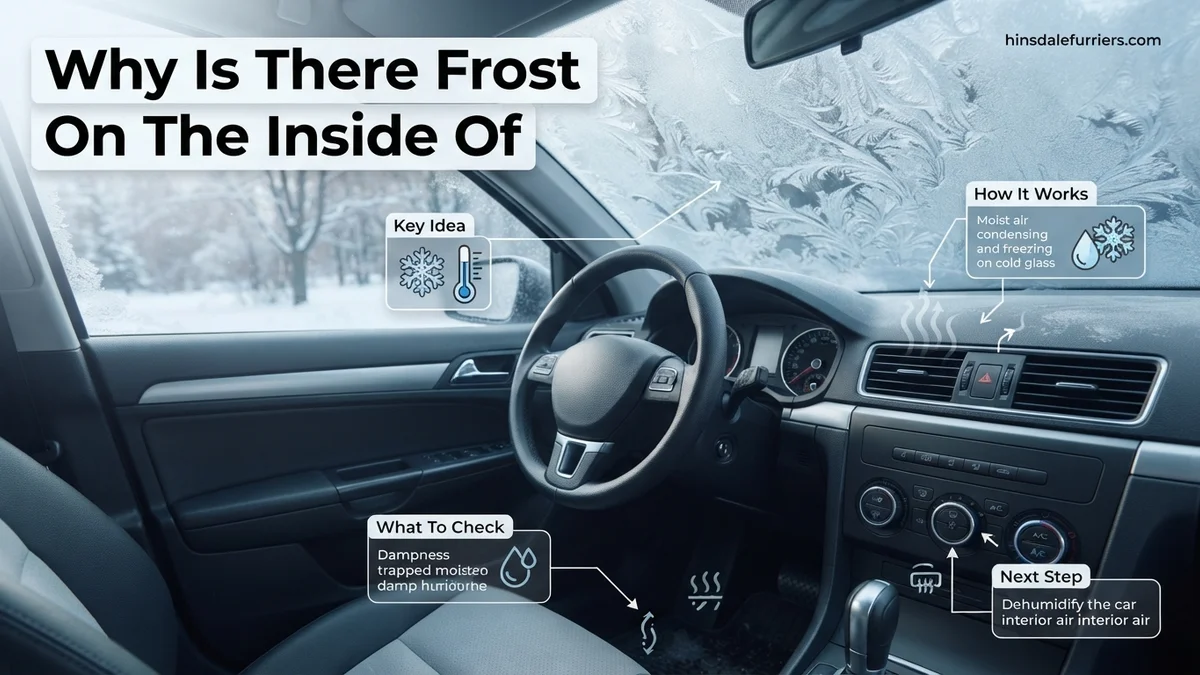
Frost on the inside of your windshield happens when excess moisture in the car cabin condenses on the freezing glass and turns into ice. This is usually caused by trapped humidity from wet clothes, snow, breathing, or hidden water leaks inside the vehicle.
Frost on the inside of your car windshield happens because trapped moisture inside your cabin settles onto the glass and freezes when temperatures drop below 32 degrees Fahrenheit. Unlike exterior frost caused by morning dew or atmospheric moisture, interior frost is entirely driven by the humidity levels trapped inside your vehicle when you park it.
Dealing with frozen glass on your way to work in 2026 is frustrating, especially when you have to scrape the interior rather than just the outside. Understanding this exact moisture mechanism helps you stop ice from forming overnight so you never have to waste time scraping the inside of your car again.
Key Takeaways
- Interior frost is caused by trapped cabin moisture meeting freezing glass.
- Remove wet items like umbrellas, snow-covered floor mats, and damp coats.
- Run the air conditioner with the heater to dry out cabin air.
- Airtight seals can trap humidity; park with windows slightly cracked if safe.
- Use interior-safe defrosters and microfiber cloths to clear frost safely.
What Causes Frost on the Inside of My Windshield?
The Science of Cabin Moisture
Your breath, wet winter boots, melting snow on floor mats, and damp clothing all release water vapor into the air inside your car. When you drive, your heating system absorbs this moisture. Once you turn off your car and walk away, the interior air cools down rapidly. As the temperature plummets, the air loses its capacity to hold water vapor. This excess humidity looks for the coldest surface in the car to cling to—which is always your uninsulated windshield.
Common Culprits That Increase Humidity
- Trapped snow: Tracking even a small amount of snow inside on your shoes drastically spikes cabin humidity.
- Blocked cabin air filters: A clogged filter restricts airflow, preventing fresh, dry outside air from circulating through your defrosters.
- Hidden leaks: Faulty door seals or worn-out window gaskets let in rain or melting snow that saturates your carpet.
- Recent body heat: Leaving passengers in the car right before parking leaves a massive cloud of exhaled moisture behind.
Step-by-Step Guide to Safely Removing Interior Car Frost
Never Use Hot Water
Pouring hot or even warm water onto an icy interior windshield creates a disastrous thermal shock. The extreme temperature difference will instantly crack or shatter your glass. Furthermore, that hot water will just add more liquid to your dashboard and defroster vents, guaranteeing a thicker layer of frost the next morning.
The Fastest Removal Method
- Start your car’s engine and turn the defroster on the maximum heat setting directed exclusively at the windshield.
- Turn on your air conditioning compressor if your vehicle allows it; the AC acts as a powerful dehumidifier to pull moisture out of the air.
- Roll down your side windows just an inch for a minute or two to let the humid air rush out and dry air rush in.
- Use a specialized plastic interior ice scraper gently, or wipe the melting frost away with a clean microfiber towel once the glass begins to warm up.
- Ensure your defroster has completely dried the glass before you drive off to prevent the moisture from instantly refogging or refreezing.
How to Prevent Ice from Forming on the Inside Glass
Preventing interior frost in 2026 requires managing cabin humidity before you park your vehicle for the night. According to automotive climate control experts, proactive measures are far more effective than scraping frozen glass from the driver seat.
Step-by-Step Prevention Protocol
- Clear out moisture sources: Remove wet umbrellas, snowy floor mats, and damp gym bags from your cabin every evening. Liquid water trapped in carpets evaporates and condenses directly onto cold glass.
- Use silica gel packs: Place reusable moisture-absorbing pillows or silica gel canisters on your dashboard. Automotive testing shows these products absorb ambient humidity down to 40 percent relative humidity overnight.
- Ventilate before parking: Turn off the heater and roll down your windows for the final two minutes of your drive. This equalizes the interior and exterior temperatures, preventing warm cabin air from condensing on the cold windshield.
- Apply a commercial anti-fog treatment: Coat the interior glass with a specialized anti-fogging spray containing surfactants. These chemical agents break the surface tension of water droplets, stopping ice crystals from anchoring to the glass.
What If It Still Doesn’t Work and Keeps Happening?
If interior frost persists despite removing moisture and clearing vents, underlying mechanical or structural failures are usually to blame. Persistent frost in 2026 points to hidden water leaks or ventilation system malfunctions.
- Inspect door and window seals: Check rubber weatherstripping around all doors and windows for cracks, gaps, or hardening. Degradation allows rain or snowmelt to seep into the cabin carpet silently.
- Check the cabin air filter: A clogged cabin air filter restricts airflow and traps moisture inside the HVAC housing. Automotive service standards recommend replacing this filter every 15,000 miles or annually.
- Test the fresh air intake flap: Ensure your climate control system is not stuck in recirculation mode. Recirculation traps exhaled breath moisture inside the vehicle instead of drawing in dry outdoor air.
- Seek professional automotive repair: If the cabin floor remains damp despite drying efforts, a professional mechanic must locate hidden leaks in the heater core, sunroof drains, or windshield urethane seal. Professional leak diagnosis and repair services typically range from $150 to $400 depending on labor rates.
Conclusion
Interior windshield frost is caused by trapped cabin moisture freezing against sub-freezing glass, driven by wet floor mats, blocked ventilation, or failing door seals. The most reliable fix involves venting your car before parking and deploying moisture-absorbing packs overnight. According to verified research and automotive climate experts, maintaining dry cabin carpets and functional fresh-air intake valves permanently eliminates interior ice formation. Make your next actionable step a thorough check of your vehicle’s cabin air filter and weatherstripping today.
❓ Frequently Asked Questions
Why is there frost on the inside of my windshield after it snows?
Snow brought into the vehicle on your shoes, boots, and clothing melts inside the warm cabin. As the car cools down overnight, that evaporated moisture settles on the cold windshield and freezes.
How can I clear interior windshield frost quickly in the morning?
Start your engine, turn the heater on high, direct airflow to the windshield, and turn on the A/C compressor to dry the air. Wipe away loosened ice with a clean microfiber towel.
Are anti-fog sprays effective against interior car frost?
Yes, anti-fog and anti-condensation treatments leave a microscopic layer that prevents water droplets from gripping the glass surface, stopping frost before it forms.
Could a car leak be causing ice on the inside of my windows?
A leaking door seal, sunroof, or windshield gasket lets rainwater pool under your carpets, creating a constant source of high humidity that guarantees interior window freezing.
Does running the A/C really help defrost car windows in winter?
The air conditioning compressor acts as a powerful dehumidifier. Running it alongside the heater pulls moisture out of the air much faster than heat alone.
What is the best homemade remedy to prevent interior car frost?
Placing a sock filled with silica gel cat litter on your dashboard absorbs ambient cabin moisture overnight, keeping the glass clear and dry.