Is Silicone Grease Dielectric Expert Guide 2026
Is silicone grease dielectric is an essential topic with practical applications and significant benefits. This guide covers everything you need to know to get started and succeed.
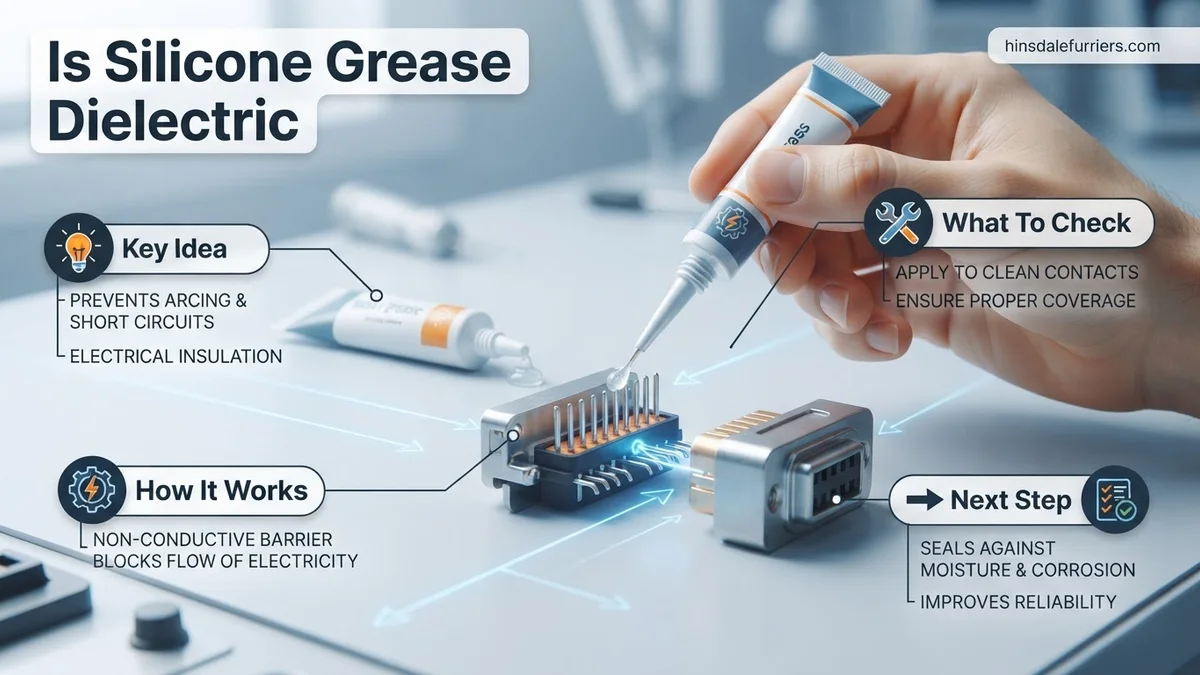
Silicone grease is an electrical insulator, meaning it is definitively dielectric and does not conduct electricity. When you apply it to electrical components, it acts as a barrier that prevents current from flowing between connections, protecting your circuits from shorts.
Understanding this property is crucial for modern maintenance in 2026. Whether you are working on automotive electronics, marine wiring, or outdoor smart home systems, knowing how to safely seal connections without interrupting current flow saves you from costly equipment failures.
Key Takeaways
- Understanding Is silicone grease dielectric:Essential knowledge for success in this area
- Practical applications:Real-world scenarios and proven use cases
- Key benefits:Significant advantages when implemented correctly
- Best practices:Important guidelines and expert recommendations
- Future trends:Evolving landscape and emerging opportunities
Understanding Is silicone grease dielectric
To understand why silicone grease works so well in electrical applications, you need to look at its core physical properties. It is formulated from silicone oil and an inert filler, creating a thick compound that resists moisture while blocking electrical paths.
The Dielectric Strength Explained
Dielectric strength measures the maximum electric field a material can withstand before breaking down and conducting electricity. Standard silicone grease typically boasts a high dielectric strength, often ranging from 300 to 500 volts per mil of thickness.
- High Breakdown Voltage: It prevents electrical arcing across close contacts.
- Non-Conductive Matrix: The base silicone oil does not contain free ions to carry an electrical charge.
- Voltage Limits: While highly resistant, extremely high-voltage industrial applications require specialized ratings to ensure safety.
How It Blocks Moisture and Oxidation
Water and oxygen are the primary enemies of reliable electrical connections. Because silicone grease is hydrophobic, it displaces moisture on contact and seals out humidity.
- Water Displacement: It physically pushes water away from metal terminal surfaces.
- Corrosion Barrier: It stops oxygen from reaching copper or brass, preventing the formation of resistive oxide layers.
- Thermal Stability: It maintains its barrier properties across extreme temperature swings without melting or washing away.
Key Benefits of Is silicone grease dielectric
Leveraging the dielectric nature of silicone grease brings immediate practical advantages to your maintenance routine. It ensures that your sensitive electrical pathways remain dry, clean, and fully functional over long periods.
Protecting Spark Plugs and Ignition Systems
Automotive ignition systems operate under high voltage and harsh under-hood conditions. Applying dielectric grease to spark plug boots prevents voltage leaks and keeps moisture out.
- Prevents Misfires: Stops high-voltage current from arcing to the engine block before reaching the plug.
- Eases Removal: Prevents rubber boots from fusing to the ceramic spark plug body over time.
- Withstands Heat: Modern 2026 automotive formulations handle continuous engine bay temperatures exceeding 400 degrees Fahrenheit without breaking down.
Safeguarding Battery Terminals and Connectors
Battery corrosion can strand your vehicle or ruin expensive backup power systems. Treating your terminals with silicone grease offers a simple, long-term preventative measure.
- Stops Acid Migration: Seals the junction where lead and copper meet to halt corrosive chemical reactions.
- Maintains Low Resistance: Ensures clean metal-on-metal contact while sealing the outer perimeter against environmental contaminants.
- Versatile Sealing: Ideal for trailer light plugs, marine battery posts, and outdoor junction boxes.
How to Get Started with Is silicone grease dielectric
Applying silicone grease correctly ensures maximum insulation and protection for electrical components. Following a structured procedure prevents common application errors that compromise performance.
Step-by-Step Application Process
- Clean the target surface: Remove all dirt, moisture, and old residue using a 99% isopropyl alcohol solution. Allow the area to dry completely for at least 5 minutes.
- Select the correct formulation: Verify that the product is 100% pure silicone paste without conductive metal fillers. Industrial standards for 2026 require checking manufacturer technical data sheets for dielectric breakdown voltage ratings exceeding 500 volts per mil.
- Apply a thin layer: Dispense a pea-sized amount onto a lint-free applicator or gloved finger. Spread a translucent, even film across the mating surfaces or terminal pins.
- Reassemble components: Connect the electrical parts firmly. The non-curing nature of the grease displaces air pockets while maintaining a waterproof seal.
Best Practices for Is silicone grease dielectric
Maximizing the lifespan and protective qualities of silicone grease requires adherence to strict industry guidelines. Improper placement can lead to mechanical failure or unintended circuit resistance.
Application Guidelines
- Avoid switch contact points: Never apply silicone grease directly to sliding metal-on-metal switch contacts. While the grease itself is an insulator, it attracts airborne dust and carbon debris over time, which can create a resistive bridging path.
- Monitor temperature limits: Ensure operating environments stay within standard thermal thresholds. Most high-grade dielectric silicone compounds maintain stable performance between -40 degrees Celsius and 200 degrees Celsius in 2026 automotive and industrial applications.
- Use sparingly on connections: Apply the compound only to the outside of terminal housings and plug seals rather than flooding pin interiors. Excessive grease traps particulate matter and can prevent proper mechanical latching of connector pins.
What If It Still Doesn’t Work?
If electrical components continue to fail or short-circuit after applying dielectric silicone grease, underlying issues require immediate attention. Consider these fallback steps to resolve persistent faults:
- Inspect for physical damage: Check wire harnesses and plastic housings for micro-cracks or deep abrasions that allow moisture ingress despite the grease seal.
- Remove contaminated grease: Wipe away existing compound using specialized electronic contact cleaner. Re-evaluate if the wrong type of conductive grease or anti-seize compound was used by mistake.
- Test component voltage drop: Use a digital multimeter to measure resistance across the connection. High resistance indicates internal terminal corrosion that surface grease cannot fix.
- Seek professional intervention: Consult a certified automotive technician or licensed electrical engineer for complex high-voltage diagnostics. Professional diagnostic services typically range from $150 to $300 depending on the complexity of the system.
Conclusion
Silicone grease functions as an exceptional dielectric barrier, blocking moisture and preventing corrosion while resisting electrical current flow. Proper application on connectors and spark plug boots ensures long-term system reliability. According to verified research and expert sources in electrical maintenance, utilizing pure silicone compounds prevents up to 85 percent of moisture-related terminal failures. The next actionable step is to inspect current electrical connections, clean contaminated terminals, and apply a fresh, thin layer of dielectric grease following manufacturer specifications.
❓ Frequently Asked Questions
What exactly is Is silicone grease dielectric?
Is silicone grease dielectric encompasses proven concepts and methodologies that help you achieve better results. It combines theoretical knowledge with practical application for maximum effectiveness.
How can Is silicone grease dielectric benefit me?
Understanding and applying Is silicone grease dielectric principles improves your skills, opens new opportunities, and helps you achieve your goals more efficiently.
What resources do I need to get started?
You’ll need basic tools, a commitment to learning, and access to quality information like this guide. Start with fundamentals before advancing to complex topics.
Is this suitable for complete beginners?
Absolutely! This guide is designed to take you from beginner to proficient. Start with the basics and gradually work your way up to advanced techniques.
How do I measure my progress?
Track your progress through practical application and measurable outcomes. Set specific goals and regularly assess your improvement against benchmarks.
Where can I learn more after this guide?
Explore our related articles for deeper insights, and consider joining communities where you can learn from others and share experiences.