Is Dielectric Grease and Silicone Grease the Same in 2026
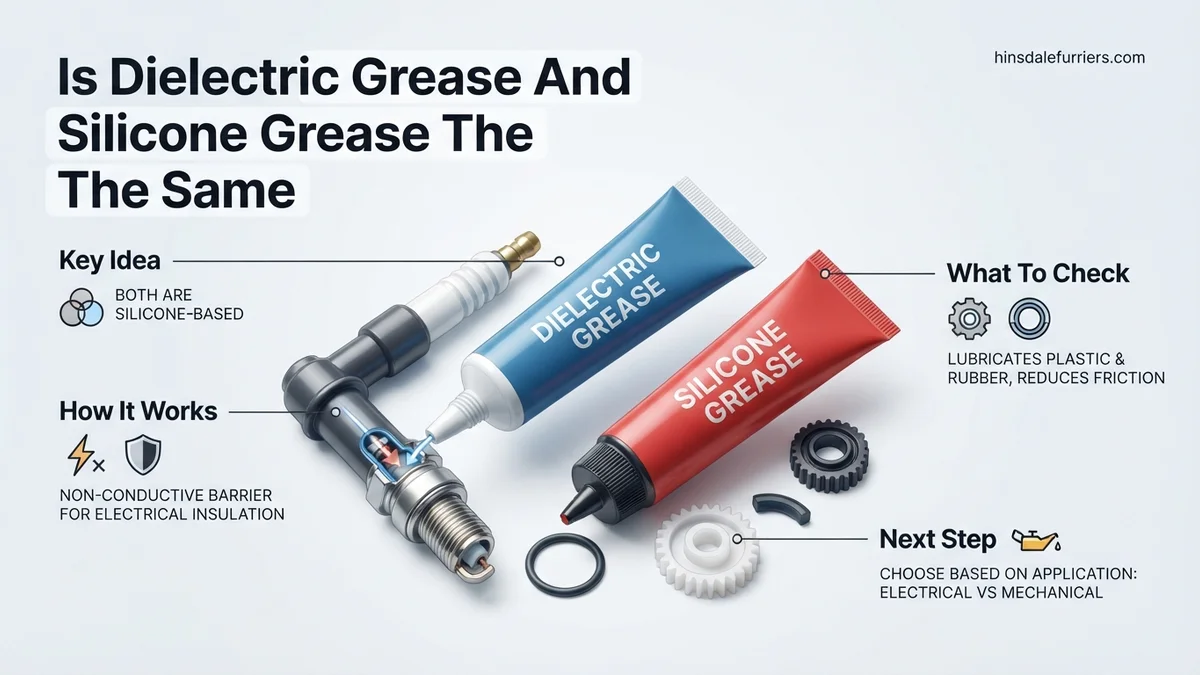
No, dielectric grease and silicone grease are not the exact same thing, even though dielectric grease is technically a specific type of silicone grease. The primary difference lies in their formulation and electrical properties; dielectric grease is strictly non-conductive and meant for sealing electrical connections, while general silicone grease may contain conductive fillers for mechanical lubrication.
Dielectric grease and silicone grease are not the same thing, and using them interchangeably can damage your electrical connections or mechanical parts. The core rule to remember in 2026 is that while most dielectric greases are made from silicone, not all silicone greases are dielectric.
Dielectric grease is a non-conductive silicone compound designed specifically to seal out moisture and prevent electrical corrosion in connections like spark plug boots and battery terminals. Regular silicone grease, however, often contains fillers like carbon, copper, or metal oxides that make it electrically conductive or optimized strictly for heavy mechanical lubrication, which can cause dangerous short circuits if applied to sensitive wiring.
Key Takeaways
- Dielectric grease is a non-conductive type of silicone grease.
- General silicone grease can contain conductive additives like metal or carbon.
- Use pure dielectric grease on spark plug boots and electrical terminals.
- Using conductive silicone grease on electronics will cause dangerous electrical shorts.
- Never use pure dielectric grease on high-friction metal-on-metal parts.
What Causes Confusion Between Dielectric Grease and Silicone Grease
The Chemical Overlap
Manufacturers often use the terms interchangeably on product packaging, which drives the confusion. Both products start with a silicone oil base combined with an inert thickener, usually amorphous silica. This creates a thick, paste-like substance that resists extreme temperatures, water washout, and chemical degradation.
Additives Change Everything
The real difference comes down to what is mixed into that silicone base. Dielectric grease relies on a pure silicone and silica formula designed to act as an electrical insulator. Conversely, many standard silicone greases include lubricating solids or conductive metallic fillers to enhance performance under heavy loads. If you grab a tube of general-purpose silicone grease from your workshop shelf for an electrical connector, those hidden fillers might conduct electricity and ruin your circuit.
- Dielectric Grease: Pure silicone oil plus silica thickener; non-conductive.
- Standard Silicone Grease: Silicone base plus PTFE, molybdenum, or metal particles; can be conductive.
How to Fix Wrong Applications and Choose the Correct Grease
Identifying and Cleaning a Wrong Application
If you accidentally applied conductive silicone grease to an electrical terminal or switch, you need to fix it before corrosion or short-circuiting occurs. Power down the system immediately, remove the contaminated part, and flush the connection using a fast-evaporating electrical contact cleaner. Never use brake cleaner or harsh solvents unless you confirm they will not melt the surrounding plastic housings.
Selecting the Right Product for 2026 Projects
Always read the technical data sheet before application rather than relying solely on the front label. Use true dielectric grease exclusively for sealing rubber boots, bulb bases, and wiring harnesses against moisture. Reserve heavy-duty silicone and fluorinated greases strictly for metal-on-metal sliding surfaces, plastic gears, and O-rings where electrical insulation is completely irrelevant.
- Check the product data sheet for dielectric strength ratings (measured in volts per mil).
- Confirm the temperature operating range matches your specific environment.
- Match the grease formulation directly to the substrate material and electrical requirements.
Step-by-Step Guide to Applying Dielectric Grease on Electrical Terminals
Applying grease correctly ensures maximum electrical protection without causing connection failures. According to automotive and electrical engineering standards, proper preparation prevents trapped moisture and resistance buildup in 2026 applications.
Preparation and Cleaning
Before applying any product, the contact surfaces must be pristine. Follow this precise procedure to ready your electrical terminals:
- Disconnect the power source or vehicle battery to prevent accidental short circuits or electrical shocks.
- Inspect the connection for existing corrosion, dirt, or old, hardened grease.
- Clean the metal terminals using an electrical contact cleaner spray and a non-conductive nylon brush.
- Wipe the area completely dry with a lint-free microfiber cloth to remove residual solvent.
Application Technique
Precision is vital when working with silicone-based compounds. Over-application can trap dust or physically block metal-to-metal contact.
- Squeeze a pea-sized amount of dielectric grease onto a clean applicator or your gloved fingertip.
- Apply a thin, translucent film directly onto the outside and mating edges of the terminal housing.
- Coat the rubber weather seals thoroughly to maintain a waterproof barrier against moisture intrusion.
- Mates the connector securely, wiping away any excess compound that squeezes out of the joint.
What If It Still Doesn’t Work?
If electrical issues persist after proper cleaning and greasing, the problem likely stems from deeper hardware failures. Review these troubleshooting steps to resolve stubborn connection faults:
- Inspect the wiring harness for hidden breaks, deep internal corrosion, or melted insulation caused by excessive current draw.
- Test terminal tension using a pin-fit gauge to ensure the female pins have not widened and lost their grip.
- Verify that the component is receiving correct operational voltage using a calibrated digital multimeter.
- Seek professional automotive or electrical diagnostic help if circuit resistance exceeds manufacturer thresholds. Professional diagnostic labor typically ranges from $100 to $150 per hour in 2026.
Conclusion
While dielectric grease and silicone grease share identical chemical bases, their additive profiles dictate distinct roles. Dielectric grease insulates and seals, whereas specialized silicone lubricants reduce friction on mechanical parts. According to verified research and expert manufacturer sources, using the correct compound prevents premature component failure and thermal damage. For your next project, always match the product specifications to the exact demands of the connection environment.
❓ Frequently Asked Questions
What is the fundamental difference in chemical composition?
Dielectric grease is made from silicone oil combined with an inert silica thickener to remain non-conductive. General silicone grease may incorporate metal particles, carbon, or other fillers that alter its electrical conductivity.
What happens if I use conductive silicone grease on spark plug boots?
Using a conductive grease on high-voltage ignition components can cause current to arc to ground, leading to engine misfires and ruined components.
Can I substitute silicone grease for dielectric grease on battery terminals?
Only if the silicone grease is certified non-conductive. If it contains metallic fillers, it will bridge the battery terminals and cause a direct short circuit.
Does dielectric grease block electrical current entirely?
Yes, it is an insulator. However, when applied thinly to a connection, the metal-to-metal contact points push through the thin film to make a solid electrical connection while the surrounding area is sealed.
Is dielectric grease safe for plastic and rubber components?
Yes, silicone-based greases are completely safe for rubber seals, O-rings, and plastic connectors because they will not degrade or swell the material.
How do I clean off old, contaminated grease before applying new grease?
Use an electrical contact cleaner or a fast-evaporating solvent to thoroughly strip away dirt, old grease, and debris before applying a fresh, clean layer.